
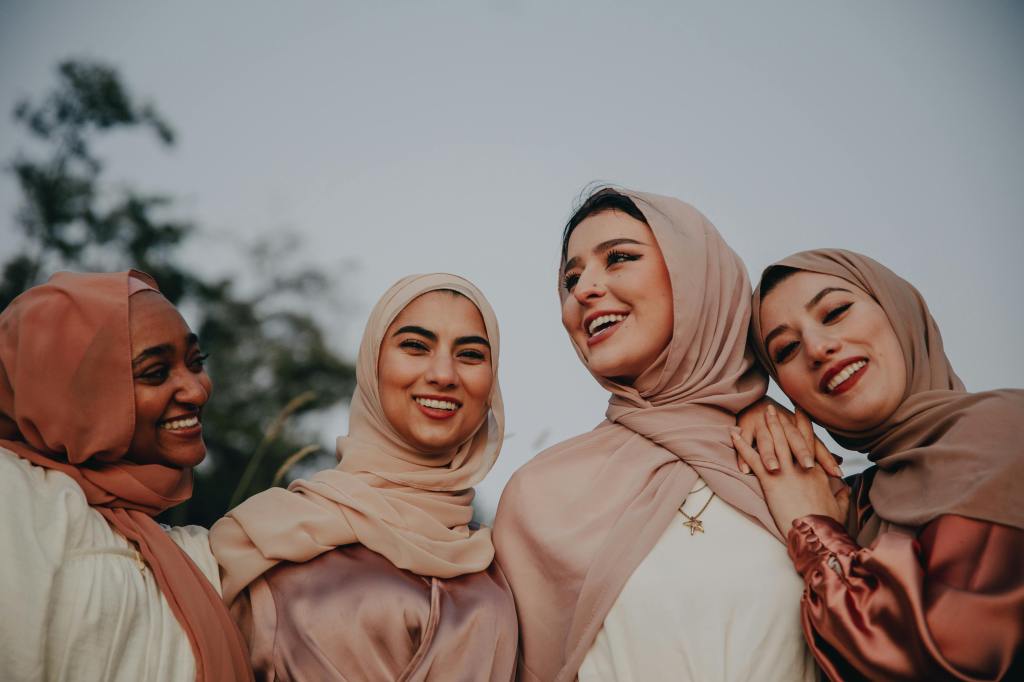
When I tell people that Islam, in its core teachings and historical application, was designed primarily with men in mind, not women, it makes a lot of people uncomfortable. Muslim women know deep down that I’m right but won’t admit it, and some non-Muslims think I’m ignorant.
Honestly, that doesn’t bother me in the least, because I say this as an ex-Muslim woman who grew up in a Muslim-majority country. I can tell you from lived expereince that the people who most passionately insist “Islam is the best religion for women” are rarely women themselves.
To be fair, Islam did introduce some progressive ideas for its time. The Quran granted women spiritual equality before God (Surah 33:35), the right to inherit property, financial independence over their own earnings, and, technically, the right to “consent” to marriage. In the context of pre-Islamic Arabia, these were real progressive ideas.
But here’s the problem: it’s no longer the 7th century, and most of these rights are rarely practiced in Muslim-majority countries. The gap between what Islamic texts say and how women actually live is enormous, and it affects women across different cultures and countries in similar ways.
From childhood, most Muslim women are raised with one primary goal: becoming a desirable wife. Education is encouraged in some progressive and secular Muslim countries, but often as a credential on a bride’s resume rather than as a path to independence. A Muslim woman’s entire worth tends to be tied to her marital status and the number of children (boys) she brings into the world.
As a woman, I can attest to the fact that being a wife and mother is truly a priority for the majority of women because we are biologically wired to have children. We are designed to create life, and most women desire a family. However, the problem arises when that calling becomes a demand rather than a choice.
When a Muslim woman spends her entire life preparing to be someone’s wife and mother, she neglects her independence and the ability to support herself financially. In the events of tragedy — the death of a spouse, financial crises, divorce, abuse, or infidelity — women in poor Muslim countries, which most Muslim-majority countries are, are frequently left to fend for themselves.
When a woman has no financial agency of her own, she becomes deeply vulnerable, trapped in difficult or abusive marriages with no realistic way out. And divorce often offers little relief. Traditional Islamic jurisprudence in many Muslim countries awards custody of children to the father once they reach a certain age, sometimes as young as seven for boys. Women fear losing their children, and now, combine that with financial dependence, and this is exactly what keeps countless Muslim women locked in marriages they desperately need to leave.
Then there is polygamy. Surah 4:3 permits men to have up to four wives, on the condition that they treat them “justly.” But no honest person can claim that true emotional equality among multiple wives is achievable. The Prophet Muhammad himself acknowledged in Hadith that perfect equity between wives was beyond human reach. Women who accept polygamy have typically been socialized from birth to suppress their natural feelings. In reality, no woman, Muslim or otherwise, wants to share her husband with another woman.
It is emotionally devastating!
And then there is Surah 4:34, the verse that permits husbands to strike disobedient wives. I have heard modern Muslim apologists describe this verse as “symbolic” or an attempt to minimize its horror. But we know that generations of women living under its teaching have suffered and continue to suffer tremendous abuse.
I have witnessed this firsthand growing up. Abuse was routinely dismissed as a “family matter.” Women had nowhere to turn and no one willing to intervene. Bruises were hidden under heavy makeup, doors shut tight so no one could hear the abuse, tears were wiped away, and shame was concealed. Most of the time, women in these situations are gaslit into believing that they are at fault and that they have caused their husbands to act this way.
It is always the woman’s fault! The abusive Muslim man never take accountability for anything. His ego is too big and too fragile to do that.
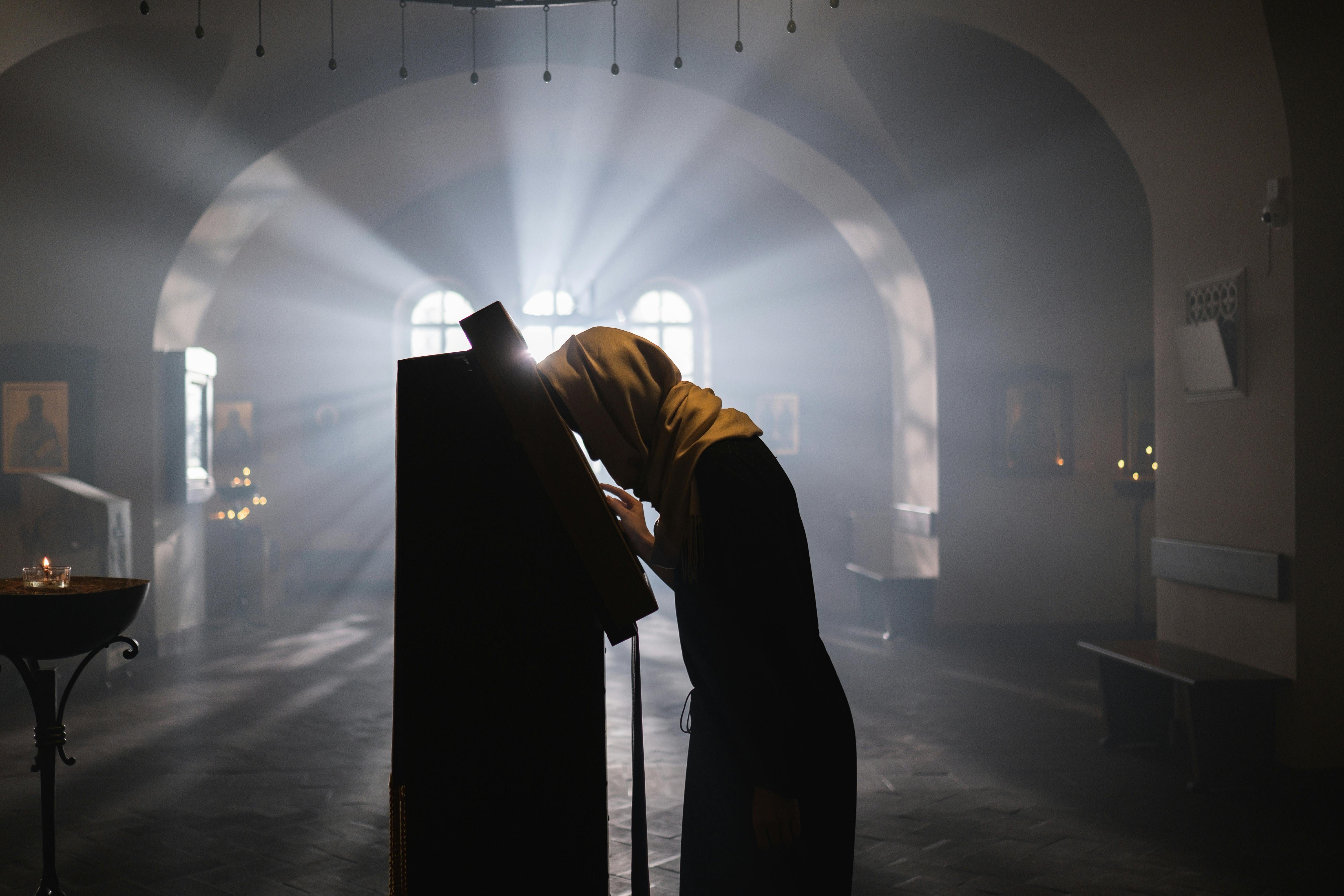
When I had a radical encounter with Jesus, my entire worldview changed. It was the first time I saw a way out.
People don’t understand how radical Jesus was in the way He treated women and in how He taught others to treat them, in a society that regarded women as second-class. Jesus had women among His closest followers. He engaged a Samaritan outcast in deep theological conversation and first revealed Himself to her as the Messiah. He defended a woman the religious establishment wanted to stone, and He praised Mary for sitting at His feet, and choosing learning over Martha, who was preoccupied with domestic duties.
Jesus doesn’t care whether you can cook, clean, or bear children. He cares about you as a human being created in His image for Himself.
That is the true identity of all women!
So where do we go from here? What can we do to help women in the Muslim world?
I believe a major reformation needs to take place within Islamic society, while the Church prays and does what she can to support that process. Secularization helps, but only to an extent. In most secular Muslim countries, laws protecting women are not enforced as strictly as they are in the West.
As someone who has lived this reality, I believe lasting change comes only through encountering Jesus — not religion, not politics, but the One who looked at women the world had dismissed and told them they mattered.
That is the freedom I found, and I believe it is available to every Muslim woman searching for it.

 Fariza
Leave a comment